
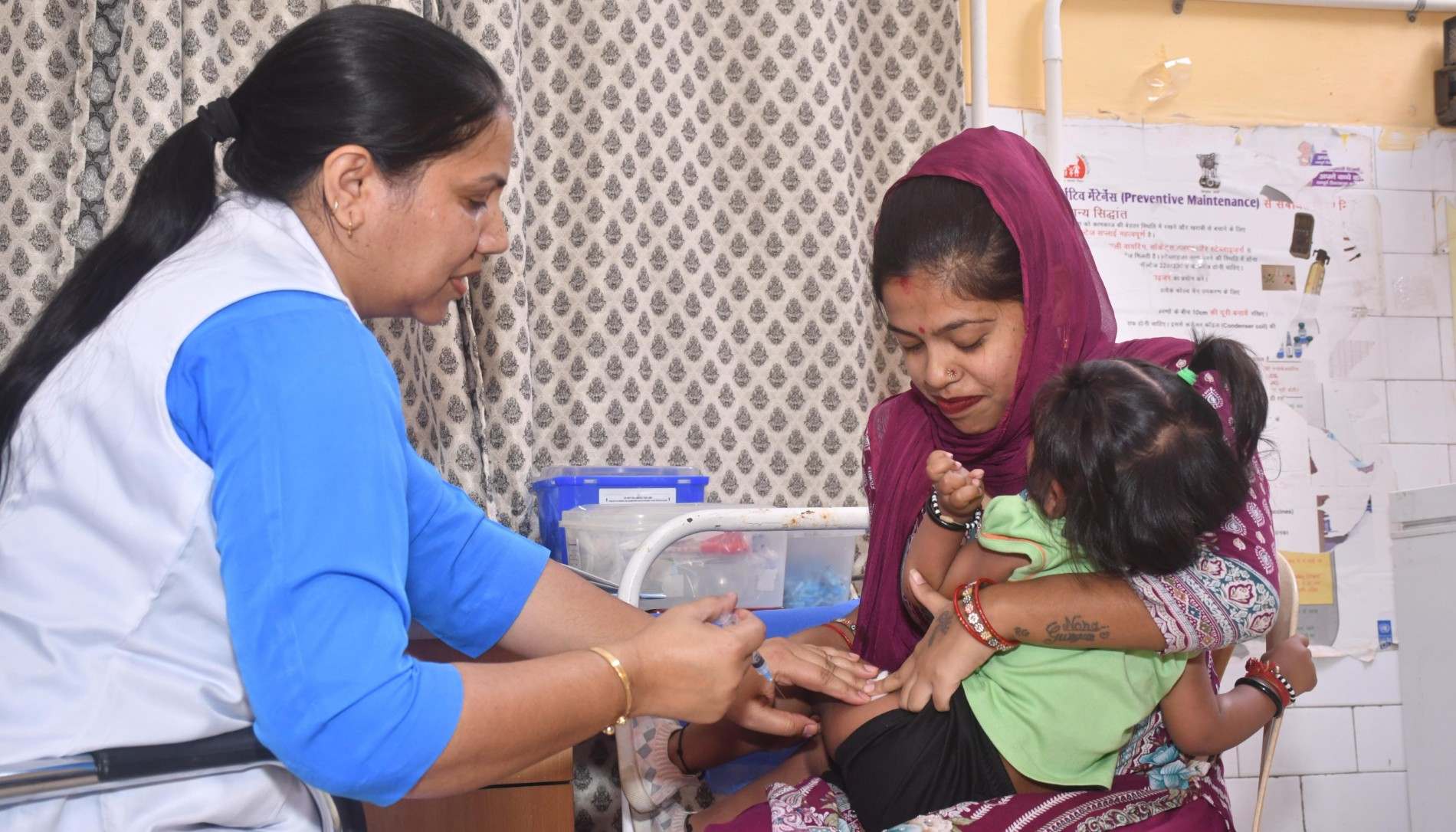
Hyderabad-based Bharat Biotech has partnered with Gavi and UNICEF to reduce the price of a malaria vaccine by around 40%. The move could help immunisation programmes protect up to one million additional children, highlighting the importance of affordable preventive healthcare for vulnerable families.
Aarogyam Times | Health News | October 26, 2026: In a significant development for global child health, Indian biotechnology company Bharat Biotech International Limited has announced an agreement with Gavi, the Vaccine Alliance, and UNICEF to make the RTS,S/AS01 malaria vaccine more affordable.
Under the agreement, the vaccine’s price is expected to fall from €9.30 to €5.50 per dose, with the revised price expected to take effect in early 2027, subject to regulatory and manufacturing milestones.
According to UNICEF, the agreement could generate approximately US$50 million in savings for childhood immunisation programmes between 2027 and 2029. These savings could help provide the complete four-dose vaccination course to up to one million additional children or support access to other essential childhood vaccines.
For ordinary families, the development underlines an important public health principle: when vaccines become more affordable for health programmes, limited healthcare resources can potentially reach more children.
How Could Poor and Middle-Class Families Benefit?
For low-income families, the cost of healthcare can be a significant barrier to accessing preventive services. Reducing the cost of vaccines purchased by public health programmes could help governments and international health organisations extend immunisation to more children, particularly in regions where malaria poses a serious threat.
Middle-class families could also benefit if lower procurement costs help public healthcare systems expand vaccination coverage and make better use of available resources.
However, the price reduction does not automatically mean that Indian families will pay 40% less for the vaccine. The agreement is designed to support vaccine procurement through UNICEF and Gavi-backed programmes, and its immediate focus is on expanding access in malaria-endemic countries.
Any direct benefit to Indian households will depend on vaccine availability, India’s immunisation policies and the way vaccination is provided through public or private healthcare services.
Why Is Affordable Malaria Prevention Important?
Malaria is a potentially life-threatening disease transmitted through the bites of infected mosquitoes. Young children are particularly vulnerable to severe illness and death.
According to UNICEF, an estimated 282 million malaria cases and 610,000 deaths occurred worldwide in 2024. Africa accounted for approximately 95% of cases and deaths, and children under five represented around 74% of malaria deaths in the region.
These figures demonstrate why expanding access to effective prevention remains a global health priority, particularly for children living in areas with high malaria transmission.
Making vaccines more affordable can help countries use limited health budgets more efficiently. However, lower prices must be accompanied by reliable vaccine supplies, accessible healthcare facilities and effective immunisation programmes to deliver meaningful benefits.
What Is the Malaria Vaccine?
The RTS,S/AS01 vaccine was developed by GSK, PATH and their partners. It became the first malaria vaccine recommended by the World Health Organization (WHO) in 2021. Bharat Biotech is taking over its production and plans to manufacture it under the brand name Mosqivac.
The vaccine is administered in a four-dose course and is intended to protect children against malaria in areas where the disease is prevalent.
According to UNICEF, a full four-dose course can reduce malaria cases by about 75% when administered seasonally in areas with highly seasonal transmission. Protection varies according to the setting and vaccination strategy, and the vaccine does not eliminate the risk of malaria entirely.
Mosquito nets, mosquito-control measures, early diagnosis and prompt treatment remain essential parts of malaria prevention and care.
India’s Role in Global Vaccine Access
Bharat Biotech’s involvement highlights India’s contribution to vaccine manufacturing and the global supply of essential health products.
The agreement also demonstrates how collaboration between manufacturers, international organisations and financing partners can help make vaccines more affordable and potentially extend their reach.
UNICEF reports that more than 74 million malaria vaccine doses have been procured and delivered since the rollout began in 2024. Gavi-supported malaria vaccination has been integrated into routine immunisation programmes in 25 African countries.
The planned price reduction is expected to strengthen these efforts by helping programmes stretch their budgets further. Its success will depend on meeting regulatory and manufacturing requirements and ensuring that sufficient doses reach the children who need them.
The Aarogyam Times Perspective: Affordable Healthcare Must Reach the People
The 40% price reduction is an encouraging development in the effort to make preventive healthcare more accessible. For families living in poverty, the greatest benefit comes when essential healthcare is available, affordable and delivered on time.
For India’s poor and middle-class families, the broader lesson is equally important: lower vaccine procurement costs can support more efficient public health spending, but direct household savings depend on how healthcare policies are implemented.
As India continues to strengthen its healthcare system, affordability, accessibility and awareness must remain central to public health planning.
The real measure of this agreement will be how many additional children receive protection against malaria and whether the savings translate into better access to essential healthcare for communities that need it most.
Sources: UNICEF’s official announcement on the Gavi–UNICEF malaria vaccine agreement