
New institution in Leh aims to expand medical education locally and strengthen the region’s healthcare workforce, as recruitment begins ahead of full infrastructure completion
Leh, Ladakh, October 21, 2026: Access to doctors and specialised healthcare can be challenging in Ladakh, where long distances, difficult terrain and harsh weather can complicate travel to medical facilities. The approval to operationalise the Union Territory’s first government medical college in Leh from the 2027–28 academic year marks an important development for the region’s healthcare and medical education infrastructure.
The Union Ministry of Health and Family Welfare has approved a one-time relaxation allowing the Ladakh administration to begin phased recruitment against 103 sanctioned regular posts while construction of the college’s academic infrastructure continues.
The decision is intended to help the institution prepare for its planned opening without waiting for nearly 80% of the infrastructure to be completed before recruitment can begin.
Why a Medical College Matters for Ladakh
For people living in remote and mountainous regions, access to timely medical care can depend on the availability of trained healthcare professionals, functioning facilities and reliable transport.
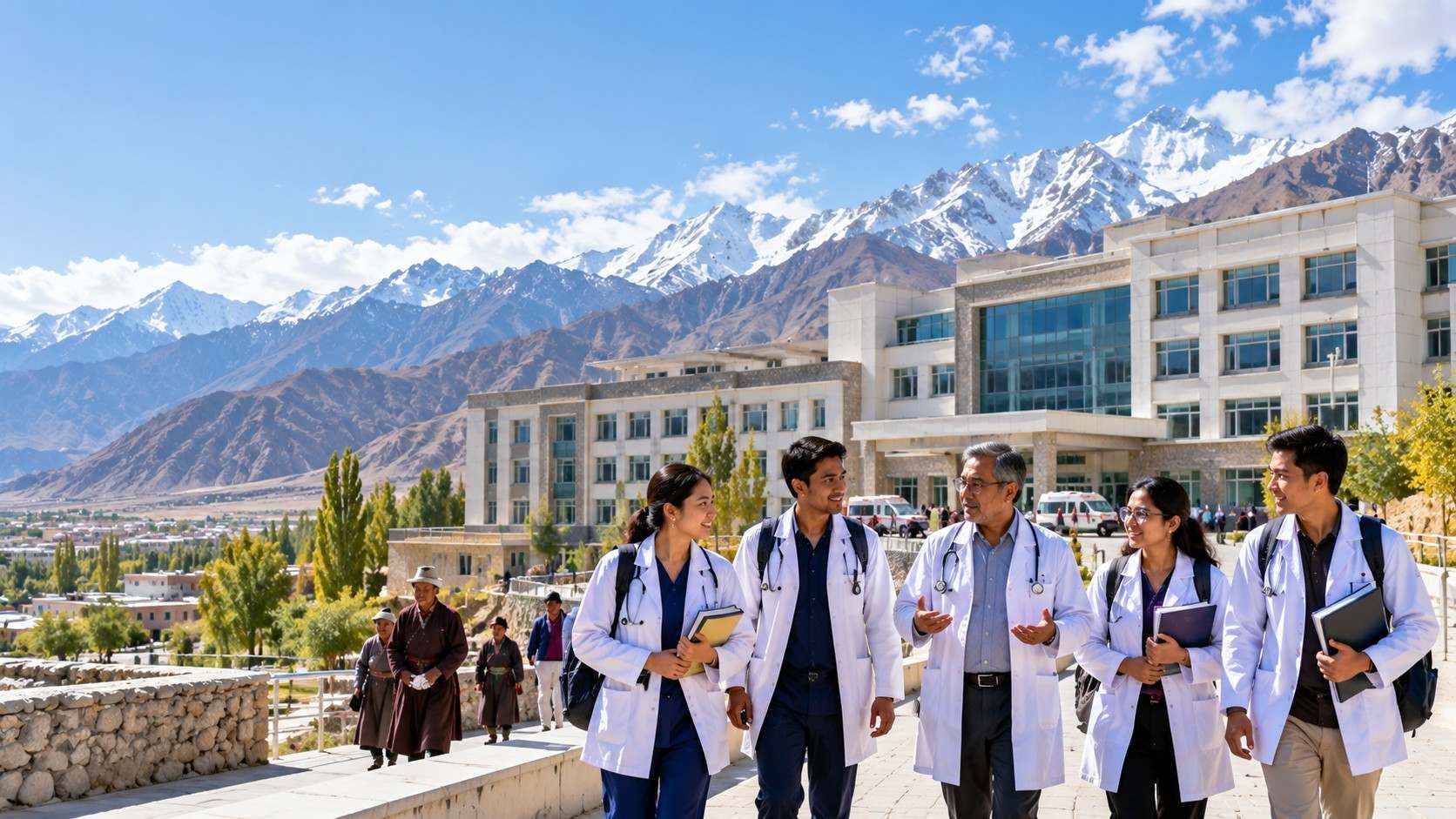
Ladakh’s first government medical college could contribute to strengthening the local healthcare ecosystem over time by developing medical education opportunities within the Union Territory and supporting the training of future doctors.
The development is particularly relevant for young people who wish to pursue medicine but may need to study outside the region. A local institution could reduce the need to relocate for medical education, although admission will remain subject to the applicable eligibility criteria and counselling process.
The college’s long-term contribution to patient care will depend on its staffing, clinical facilities, training arrangements and ability to retain qualified medical professionals.
Recruitment Cleared for 103 Posts
The Health Ministry’s approval allows the administration to initiate recruitment for 103 sanctioned regular positions in phases, covering faculty and supporting staff.
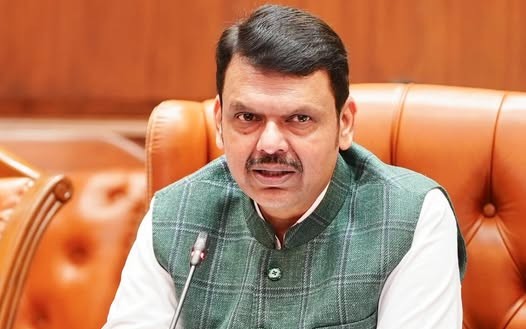
The relaxation follows a request from Ladakh Lieutenant Governor V. K. Saxena to Union Health Minister J. P. Nadda to allow preparatory recruitment while construction proceeds.
Recruitment will be undertaken according to academic requirements and the applicable recruitment rules. The administration is also expected to establish timelines for completing the infrastructure and transitioning to the permanent campus.
Temporary Facilities to Support the Initial Phase
According to reports, two newly constructed buildings have been identified for use as the academic block and students’ hostel while the dedicated campus infrastructure at Stipuk Pharka is completed.
The existing 200-bed Sonam Norboo Memorial Hospital in Leh is expected to provide clinical training for students under the interim arrangement.
Using existing hospital facilities for clinical exposure could help connect classroom teaching with practical medical training. However, the institution’s readiness will depend on the availability of qualified teaching staff, appropriate clinical supervision and the necessary academic and hospital infrastructure.
Could Patients Benefit?
The establishment of a medical college is a long-term investment in healthcare capacity, rather than an immediate solution to every gap in medical services.
Over time, the institution could support the development of a locally trained medical workforce and strengthen links between medical education and clinical services. Greater local training capacity may also create opportunities for healthcare professionals to build careers in the region.
However, a medical college alone cannot guarantee that patients will have better access to every specialist or treatment. Ladakh will continue to need effective referral services, well-equipped hospitals, nursing and allied health professionals, diagnostic facilities, emergency transport and reliable access to medicines.
For communities in remote areas, these services are essential to ensuring that improved medical education translates into meaningful health benefits.
What About Admissions?
The college is scheduled to begin academic activities in the 2027–28 academic year, with the first batch of students expected under the approved plan.
Students interested in pursuing MBBS should follow official announcements from the Ladakh administration and the relevant medical education authorities for details of seat availability, eligibility, NEET-UG requirements and counselling.
The final admission arrangements will depend on the applicable regulatory approvals and the institution’s readiness to begin teaching.
The Road Ahead
The Centre’s approval marks progress towards establishing Ladakh’s first government medical college, but the next steps will be crucial. Recruitment must proceed on schedule, teaching and clinical facilities must be made ready, and the institution must meet the requirements for medical education.
For the region’s residents, the wider public health opportunity lies in building a stronger local healthcare workforce while improving access to dependable medical services across remote communities.
The Aarogyam Times Takeaway: Ladakh’s first medical college could help expand local opportunities for aspiring doctors and strengthen the region’s healthcare capacity. Its real public health impact will depend on timely implementation, quality medical training and sustained investment in accessible healthcare services for the people of Ladakh.