
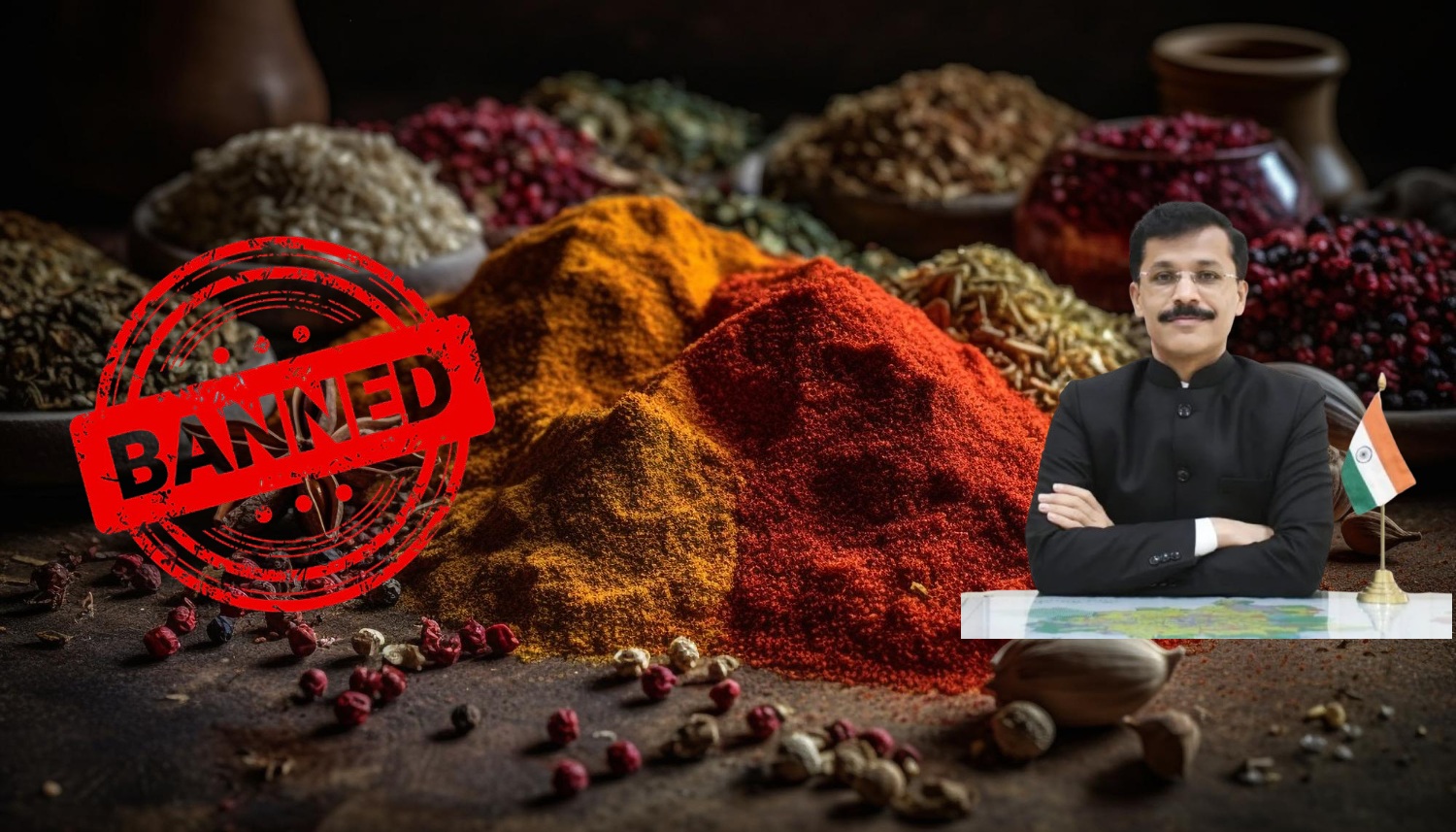
Aarogyam Times | Mumbai, Maharashtra, October 17, 2026:: Turmeric, chilli powder and everyday masalas are under the food safety spotlight in Maharashtra, as the state’s Food and Drug Administration (FDA) moves to prohibit the sale of loose, unpackaged spice powders and mixed spices. The decision aims to curb adulteration, improve hygiene and strengthen consumer protection in a market where the quality and composition of spices may not always be easy for buyers to verify.
Spices are a staple in Indian kitchens, but adulteration involving unauthorised colours, fillers or other contaminants can compromise food quality and, depending on the substance and level of exposure, pose health risks. Consumers cannot reliably determine whether a spice is adulterated simply by looking at its colour, texture or smell.
Maharashtra FDA Steps Up Food Safety Measures
The action, led by Maharashtra FDA Commissioner Tukaram Mundhe, requires spice powders and blended spices to be sold in compliant, sealed packaging,.
The measures cover commonly used products such as turmeric, red chilli powder, coriander, cumin and mixed masalas. The FDA’s enforcement focus also includes unauthorised colouring agents such as Metanil Yellow, Rhodamine B, Sudan dyes and lead chromate, as well as adulterants reportedly used to increase the bulk of spice powders.
Food safety officials are expected to scrutinise businesses involved in manufacturing, processing, storage, wholesale and retail sales. Hygiene standards, appropriate labelling and compliance with applicable food safety requirements are also important elements of the regulatory framework.
The objective is to improve accountability, make products easier to trace and reduce opportunities for adulteration. The exact scope of the restriction, its effective date and any exemptions should be confirmed from the official FDA order.

How Can Adulterated Spices Affect Your Health?
The health impact depends on the adulterant, the amount consumed and the duration of exposure. Some unauthorised industrial dyes and chemical contaminants can cause serious harm. For example, lead exposure can damage the nervous system and is particularly concerning for children and pregnant women.
Other foreign materials may compromise food quality and hygiene. However, not every adulterated product produces immediate symptoms, and the absence of symptoms does not establish that a product is safe.
This is why prevention, effective food safety inspections and reliable product information are more dependable safeguards than trying to identify adulteration at home.
Five Ways to Choose Safer Spices
Consumers can take practical steps to reduce the risk of buying contaminated or poorly labelled products:
1. Prefer sealed, labelled packs. Choose products with intact packaging and identifiable manufacturer details rather than powders of uncertain origin.
2. Check product information. Look for batch or lot numbers, applicable FSSAI licence details, and manufacturing or best-before information where required.
3. Buy from reliable sellers. Choose established retailers and manufacturers that provide traceable product information and receipts.
4. Do not rely on colour alone. Brightness, texture and smell cannot reliably confirm whether a spice is pure. Home testing methods should not replace laboratory analysis.
5. Report suspicious products. If you suspect adulteration, retain the packaging and purchase receipt, avoid further consumption, and report the concern to the relevant food safety authority.
What Should Households Do Now?
Consumers do not need to panic or discard all their existing spices. Instead, they should check packaging, review product information and avoid products that appear tampered with or lack reliable identification. Anyone concerned about a particular product can contact the relevant food safety authority for guidance.
For retailers and manufacturers, the FDA’s directive highlights the need to review sourcing, handling, packaging and sales practices in line with the applicable order.
The Aarogyam Times Takeaway
Food safety is not just a regulatory issue; it is a consumer health priority. Maharashtra’s action puts the spotlight on the quality of ingredients used in millions of households every day.
The safest approach is to buy traceable products, check labels, avoid suspicious goods and support stronger food safety oversight. Effective enforcement and responsible practices across the supply chain will be essential to ensuring that everyday spices remain safe for everyday use.